Managing Eczema Through the Seasons: A Year-Round Guide
Eczema, or atopic dermatitis, affects approximately 31 million Americans. While it's a chronic condition that never truly goes away, many people find that their symptoms flare and calm with the changing seasons. Understanding your seasonal triggers is one of the most powerful tools for managing eczema year-round and minimizing uncomfortable flares.
Spring: Pollen and Allergy Season
Spring brings blooming flowers and rising pollen counts, which can trigger or worsen eczema in many people. Higher pollen levels irritate sensitive skin, and seasonal allergies increase inflammation throughout the body. If you have eczema, you may notice itching and redness intensifying during March through May.
Spring management strategies:
- Shower after spending time outdoors to remove pollen from skin and hair
- Keep windows closed on high pollen days and use air conditioning with clean filters
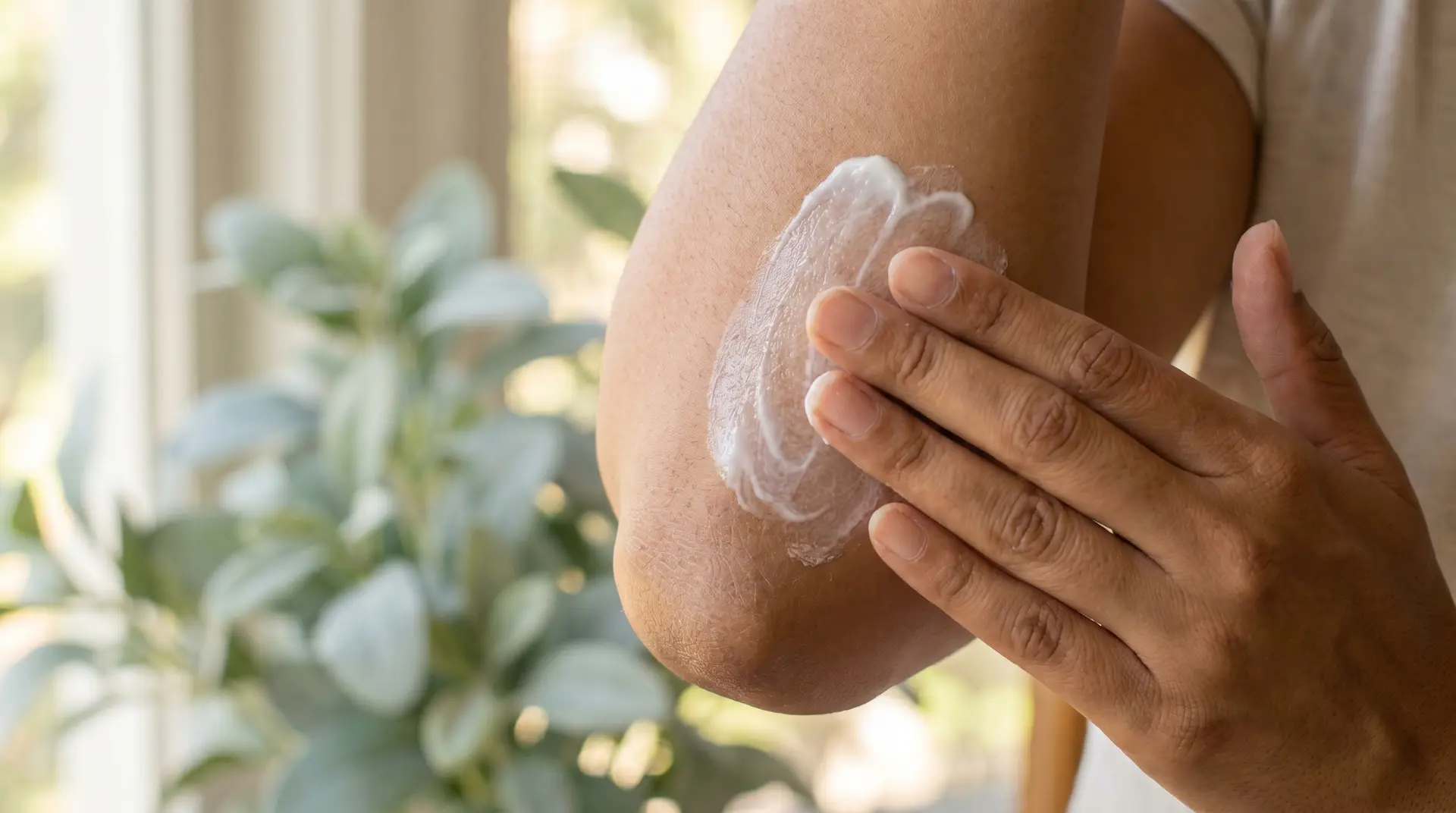
- Apply moisturizer to damp skin immediately after bathing to lock in hydration
- Consider seasonal allergy medications prescribed by your physician to reduce overall inflammation
- Avoid new skincare products during high-pollen days; stick with your tried-and-true routine
Summer: Sweat, Chlorine, and Sunscreen
Summer presents a different set of challenges. Heat and humidity increase perspiration, which can irritate eczema-prone skin. Chlorine from swimming pools is a common trigger, as are certain sunscreens and sun protection products. Many people experience their worst eczema flares in July and August due to the combination of heat, sweat, and sun exposure.
Summer management strategies:
- Wear moisture-wicking, breathable fabrics like cotton and linen to reduce sweat accumulation
- Shower or bathe in cool water rather than hot water, which strips natural oils from skin
- Rinse off chlorine immediately after swimming with fresh water and apply moisturizer within minutes
- Use mineral or non-comedogenic sunscreens specifically formulated for sensitive skin
- Reapply moisturizer after sweating, swimming, or sun exposure
Fall: Dry Air and New Products
As fall approaches and outdoor humidity drops, the air becomes drier, and eczema symptoms often intensify. Additionally, fall marks the transition into different seasonal routines. New fragrances, heavier moisturizers, and skincare adjustments can trigger flares if you introduce irritating products too quickly.
Fall management strategies:
- Introduce heavier creams and ointments as the air dries out; switch from lotions to richer formulations
- Use a humidifier in your bedroom to add moisture to the air while you sleep
- Avoid scented lotions, perfumes, and products with unnecessary fragrances during this transition
- Patch test any new skincare products on a small area of skin first before full application
- Maintain your moisturizing routine twice daily, morning and night
Winter: Indoor Heating and Low Humidity
Winter is eczema season for many sufferers. Indoor heating systems dry out the air significantly, central heat reduces humidity to critically low levels, and many people unconsciously take long, hot showers to warm up. All of these factors exacerbate eczema. Winter flares are so common that dermatologists expect an uptick in eczema-related visits from November through February.
Winter management strategies:
- Use a humidifier in your home, especially in bedrooms where you spend extended time
- Take lukewarm or short showers instead of long, hot baths; heat opens pores and allows moisture to escape
- Apply thick moisturizers like ointments or creams immediately after bathing to seal in hydration
- Wear soft, moisture-wicking fabrics rather than rough wool, which can irritate sensitive skin
- Stay hydrated by drinking plenty of water throughout the day
- Layer moisturizers: apply a hydrating toner or serum under your thicker cream
Year-Round Eczema Management
Regardless of season, consistent eczema management is essential. A foundational routine of daily moisturizing with fragrance-free, dermatologist-approved products forms the backbone of successful eczema care. Identifying and avoiding your personal triggers (whether they're certain fabrics, soaps, stress, or environmental factors) is equally important.
Most dermatologists recommend:
- Moisturizing twice daily with creams or ointments rather than lotions
- Using gentle, fragrance-free cleansers specifically formulated for eczema-prone skin
- Avoiding known irritants and allergens unique to your skin
- Resisting the urge to scratch, even though it's incredibly difficult; scratching damages the skin barrier and worsens inflammation
- Keeping fingernails short to minimize damage if you do scratch accidentally
When to Escalate to a Dermatologist
If over-the-counter moisturizers and careful trigger avoidance aren't controlling your eczema, it's time to see a dermatologist. There are numerous prescription options available, including topical steroids, topical calcineurin inhibitors, systemic biologic treatments, and oral medications. A board-certified dermatologist can evaluate your specific situation, identify triggers you might have missed, and recommend treatment options tailored to your needs.
If you're experiencing eczema flares despite your best efforts, severe itching that disrupts sleep, signs of skin infection, or symptoms that persist despite treatment, don't wait. Schedule an appointment with a dermatology professional who can provide specialized care.
Eczema is manageable with the right knowledge and support. By understanding your seasonal triggers and maintaining a consistent skincare routine, you can minimize flares and enjoy clearer, more comfortable skin year-round. At Tampa Bay Dermatology, we specialize in eczema treatment and can help you develop a personalized plan for success. Learn more about our eczema treatment options.
Get Your Eczema Under Control
Don't let seasonal eczema flares disrupt your life. Our dermatology team specializes in identifying triggers and developing effective management strategies tailored to your unique skin.
Schedule Your Consultation