
Skin of Color: Why Representation in Dermatology Matters
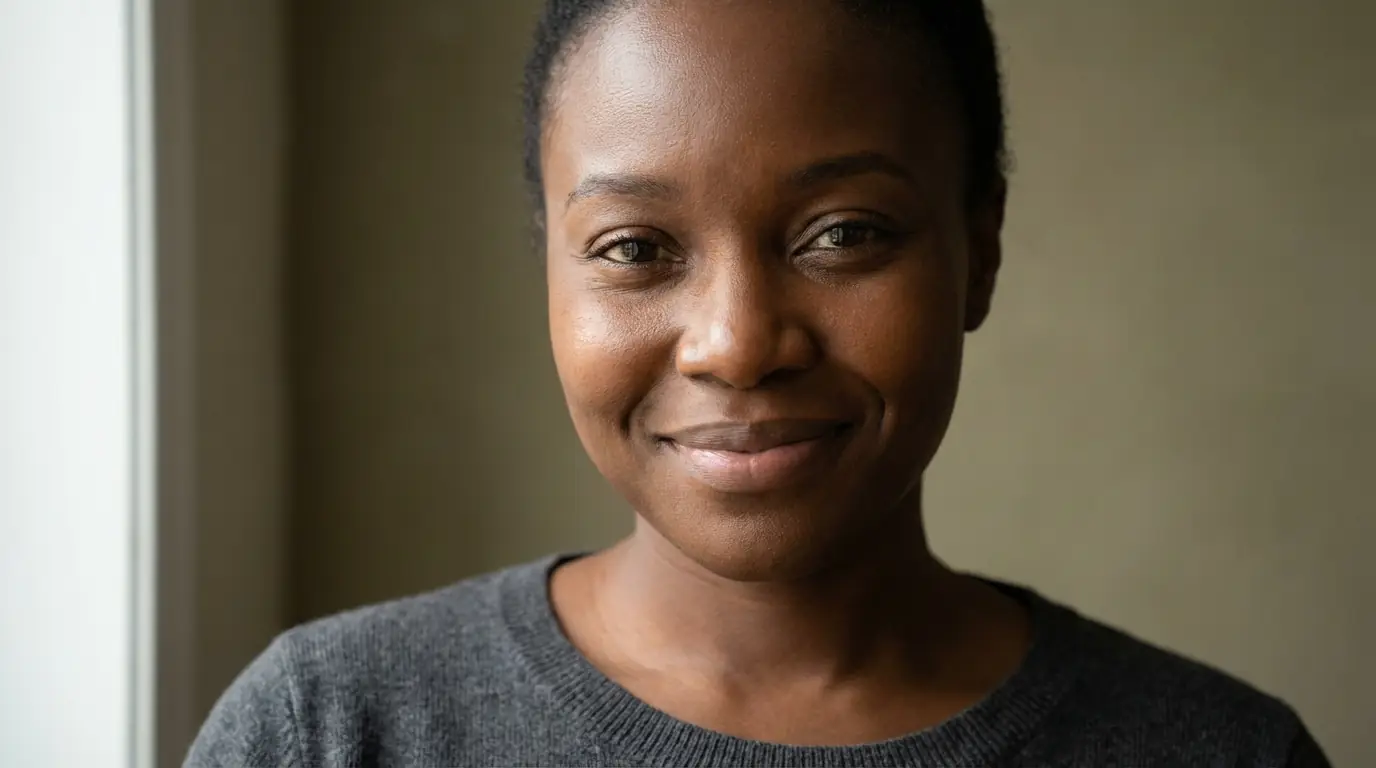
Dermatology has a representation problem. For decades, medical training and research have disproportionately focused on lighter skin tones, leaving patients with darker skin undertreated, underdiagnosed, and underserved. This disparity isn't just a numbers issue. It's a health equity issue that affects real people in our Tampa Bay community every single day.
The Historical Problem
When you look at dermatology textbooks and training materials, the overwhelming majority of clinical images show fair skin. This creates a knowledge gap that follows dermatologists throughout their careers. Conditions present differently on different skin tones, but if physicians have only been trained to recognize them on light skin, they miss critical diagnoses on patients of color.
The consequences are serious. Skin cancer in people of color is often diagnosed at later, more dangerous stages. Perhaps the most heartbreaking example is Bob Marley, who developed a melanoma on his foot that went unrecognized until it was too late. If the medical community had been better trained to spot melanomas on darker skin (where they often appear as dark lines or spots), his outcome might have been different.
Why Skin Tone Matters in Diagnosis
Conditions simply look different on different skin types. Eczema and psoriasis, for example, often appear bright red on lighter skin. On darker skin tones, they may present as purple, gray, or brown. Vitiligo, rosacea, and other inflammatory conditions all have a different visual signature depending on skin tone.
This isn't a minor difference. If a dermatologist is only trained to see red, they might miss the purple or gray manifestation entirely. This leads to delayed diagnoses, inappropriate treatment, and frustrated patients who leave appointments feeling unheard.
Unique Concerns for Skin of Color
Patients with darker skin tones face a distinct set of dermatological challenges that require specialized knowledge:
- Post-Inflammatory Hyperpigmentation (PIH): After acne, burns, or other inflammation, darker skin is prone to dark marks that can persist for months or years.
- Melasma: Patches of dark pigmentation, often triggered by sun exposure, hormones, or genetics. This condition is extremely common in our Tampa community's diverse population.
- Keloid Scarring: Darker skin tones are significantly more prone to keloids, raised scars that grow beyond the original injury.
- Traction Alopecia: Hair loss from repeated tension, often related to tight hairstyles, disproportionately affects people of color.
- Pseudofolliculitis Barbae (Razor Bump): A painful condition common in people with curly hair, often dismissed or misunderstood by providers unfamiliar with this presentation.
How Our Team Approaches Diverse Skin
At Tampa Bay Dermatology, we believe that excellent dermatological care means being trained to evaluate and treat all skin types. Our dermatologist has dedicated themselves to understanding the nuances of skin of color and the unique needs of patients across the entire spectrum of skin tones.
This means taking time to understand your individual concerns, recognizing conditions as they present on your specific skin, and recommending treatments that are safe and effective for your skin type. It means listening without judgment and treating every patient with the respect and expertise they deserve.
Our Tampa Bay Community
Tampa Bay is beautifully diverse, and our dermatology practice reflects that diversity. Whether you're here permanently or seasonally, whether you have deep brown skin, medium brown skin, olive skin, or anything in between, you deserve dermatological care from someone who understands your skin and respects your concerns.
The future of dermatology is one where every patient receives the highest standard of care regardless of their skin tone. That future is now at Tampa Bay Dermatology, where inclusive, respectful, expert dermatology care is the foundation of everything we do.
Get Expert Care for Your Skin
Our dermatologist specializes in treating patients of all skin tones with the expertise and respect your skin deserves.
Book Your Consultation