When Should Your Child See a Dermatologist?
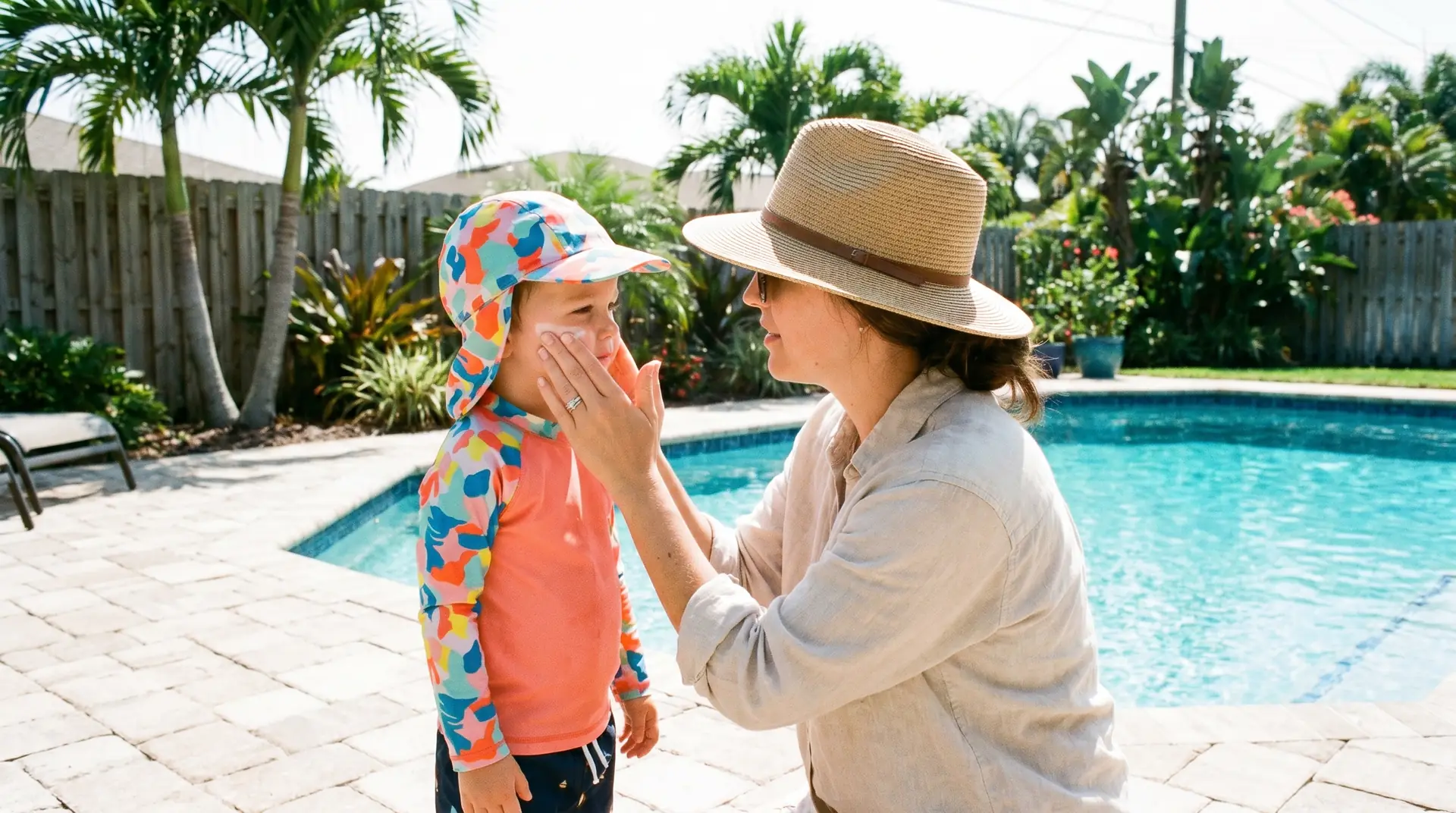
Many parents don't realize that children need dermatology care just like adults do. Kids experience skin conditions at different rates and with different presentations than adults, and some conditions require specialized pediatric dermatology expertise. If you've noticed skin concerns with your child, you might be wondering whether it's time to schedule a dermatology appointment. Let's explore the common reasons children see dermatologists and when you should make that call.
Eczema and Atopic Dermatitis: The Most Common Reason
Atopic dermatitis, commonly known as eczema, is the most frequent reason children visit a dermatologist. This chronic skin condition affects approximately 15% of children, making it incredibly common. Eczema causes red, itchy, inflamed skin that can be intensely uncomfortable for kids.
While pediatricians can often manage mild eczema, dermatologists provide specialized treatment for moderate to severe cases. We can prescribe stronger topical medications, steroid creams, non-steroidal topical treatments, and newer biologic medications that work wonders for severe eczema. More importantly, dermatologists can teach families proper skincare routines and identify triggers that worsen the condition, such as certain fabrics, soaps, or environmental factors specific to your child.
If your child's eczema isn't responding to over-the-counter moisturizers or is causing significant discomfort, itching, or disrupting sleep, it's time to see a dermatologist.
Warts: When Over-the-Counter Solutions Aren't Enough
Warts are caused by the human papillomavirus (HPV) and are extremely common in children. Many parents try over-the-counter salicylic acid treatments first, which can work for some mild warts but often takes weeks or months and frequently doesn't work at all.
Dermatologists can remove warts much more effectively using professional treatments like cryotherapy (freezing with liquid nitrogen), prescription compounded topicals for stubborn warts, or electrosurgery. These methods work faster and are less likely to result in the wart returning compared to home treatments. If your child has warts that are spreading, causing pain, or haven't responded to home treatments after a few weeks, schedule a dermatology visit.
Molluscum Contagiosum: A Viral Skin Infection
Molluscum contagiosum is a common viral skin infection in children that causes small, firm, pearly bumps, usually with a dimple in the center. While it's harmless and often resolves on its own over time, it spreads easily to other areas of the body and to other children through skin contact.
A dermatologist can treat molluscum contagiosum to speed up resolution and prevent spread. Treatments include topical medications, extraction, or cryotherapy. If your child has molluscum contagiosum, especially if it's spreading or causing itching or irritation, a dermatology visit can help manage it more effectively.
Birthmarks and Moles: When to Be Concerned
Most birthmarks and moles are benign and don't require treatment. However, some require monitoring, and others can be safely removed for cosmetic reasons. Dermatologists can evaluate birthmarks and moles to determine if they need monitoring for any changes or if they pose any concerns.
You should consider a dermatology visit if your child has a mole that is growing, changing color or texture, has irregular borders, or is larger than a pencil eraser. Additionally, if a mole is in a location where it might be irritated or rubbed by clothing, or if your child is self-conscious about it, a dermatologist can discuss removal options.
Early-Onset Acne: It Can Start Earlier Than You Think
Most parents expect acne to appear during the teenage years, but acne can start as early as 8 or 9 years old, especially in children with a family history of acne or oily skin. Early-onset acne requires specialized treatment approaches since many acne medications used in teenagers aren't appropriate for younger children.
A dermatologist can prescribe age-appropriate acne treatments and teach your child proper skincare habits to prevent acne from becoming severe. Early intervention is important for managing acne and preventing scarring or significant self-esteem issues during crucial developmental years.
Fungal Infections: Ringworm, Athlete's Foot, and More
Fungal infections like ringworm (actually caused by a fungus, not a worm) and athlete's foot are common in children, especially active kids and those in sports. While many mild fungal infections respond to over-the-counter antifungal creams, some require prescription-strength treatments or systemic antifungal medications.
If your child's fungal infection isn't responding to OTC treatments after 2-3 weeks, is spreading, or is affecting nails or hair, a dermatology visit is warranted. Dermatologists can also identify the specific type of fungus causing the infection and prescribe the most effective treatment.
Allergic Reactions and Hives: Chronic or Severe Cases
While occasional hives from a new food or environmental allergen often resolve on their own, chronic hives or severe allergic skin reactions warrant dermatology evaluation. If your child experiences recurrent or persistent hives lasting more than six weeks, a dermatologist can help identify triggers and provide treatment options.
Additionally, if your child has had a severe allergic reaction affecting the skin, a dermatologist can help confirm the diagnosis and work with allergists to prevent future episodes.
What Pediatric Dermatology Visits Look Like
If you're wondering whether your child will be comfortable at a dermatology appointment, know that our pediatric dermatologists have extensive experience working with children of all ages. We take time to explain procedures in child-friendly language, create a calm environment, and work at your child's pace to ensure they feel safe and comfortable.
During a visit, we thoroughly examine your child's skin, ask about symptoms and history, and discuss treatment options. We involve both the child and parents in the conversation, ensuring everyone understands the diagnosis and treatment plan. For many conditions, we can provide immediate treatment in the office, while others may require a series of visits.
When to Wait vs. When to Go
Not every skin condition requires a dermatology visit. Minor rashes that resolve in a few days, occasional bumps, or small patches of dry skin often improve with basic skincare and time. However, if a skin condition persists longer than a couple of weeks, is worsening, is causing your child discomfort or itching, is spreading, or is affecting your child's quality of life or confidence, it's worth scheduling an appointment.
Trust your parental instinct. If you're concerned about something on your child's skin, it's always better to have it evaluated by a specialist than to worry. A dermatology consultation can provide peace of mind and ensure your child receives the most effective treatment.
Pediatric Dermatology at Tampa Bay Dermatology
Our team sees patients of all ages, from young children through adults, with special expertise in pediatric skin conditions. We understand the unique needs of young patients and create a supportive, comfortable environment where children feel at ease. Our goal is to treat the skin condition while also supporting your child's confidence and overall wellbeing.
Whether your child is experiencing their first skin concern or has an ongoing condition requiring specialized care, we're here to help. Your child's skin health matters, and professional dermatological care can make a significant difference in outcomes and comfort.
Schedule Your Child's Visit Today
If your child is experiencing a skin condition that concerns you, we're here to help. We provide comprehensive pediatric dermatology care tailored to your child's needs. Schedule an appointment and let us help your child feel their best.
Schedule Now